
Real Estate Core, Data Sharing, and Services
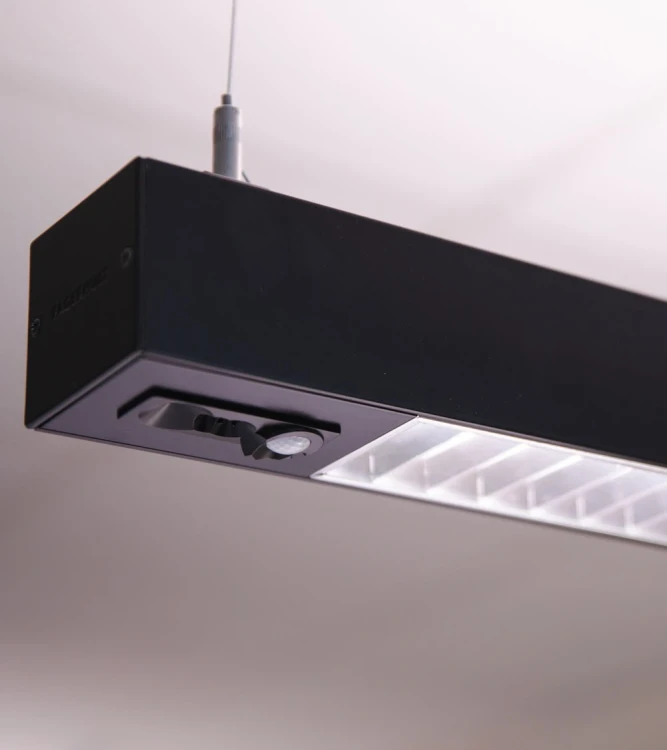
Fagerhult Group is spearheading one of the initial scenarios within TXn, where smart lighting is integrated with cloud platforms and shared data standards. The result is a suite of new opportunities for automation and energy efficiency—such as controlling HVAC systems using occupancy data from lighting sensors.
This initiative is built on the Real Estate Core (REC) edge interface, which enables seamless data sharing between smart lighting systems and the ProptechOS platform.
Read more about Fagerhult Smart Lighting Integration
New RealEstateCore Lighting Extension tested at KTH Dig-IT Lab
Highlights
Smarta sensorer – Presence detection & ambient light in luminaires
Edge Processing – Wirepas mesh-networks & REC edge-modules
Molnintegration – ProptechOS-platform via Azure IoT Hub
Systemoptimering – HVAC control using lighting occupancy data
Contributing partners
Fagerhult – Smart lightning
Swegon – Smart controls and visualisation
http://d.720.io/xvstzvkg
Schneider Electric – Building Automation System (BAS)
ProptechOS – Software solutsions for smart buildings: https://proptechos.com/digitlab-kth/
KTH Live-In Lab
Master data management in real estate and streamlining daily operations
With a focus on commercial buildings, the goal of this project is to optimise the management of master data, making it searchable and integrated across all systems.
Project objectives
- Knowledge of where and in which systems master data should be hosted.
- Identifying which tags and attributes are required to ensure data is easily searchable.
- Determining how data can be seamlessly linked to other systems.
Stakeholder needs and challenges
- Addressing unstructured data that lacks a cohesive ”common thread.”
- Developing strategies to keep data updated and accurate over time.
- Designing UI/UX interfaces that make manual data entry simple and intuitive.
- Simplifying data collection through the use of handheld digital tools.
Expected outcomes
- Easily accessible component and asset registers.
- Smoother data transfer between different software platforms.
- Simplified building inspections and routine maintenance rounds.
- Higher data quality leading to more effective preventive maintenance planning.
- Gains in coordination and efficiency regarding purchasing and procurement.
Key Performance Indicators (KPIs)
- Reduced ticket volume
- Customer satisfaction
- Cost efficiency
- Optimised purchasing
Energy optimisation in buildings
A project aimed at reducing total energy consumption while maintaining occupant comfort through dynamic control of building systems based on occupancy data.
Scope
Focus on commercial buildings, initially implemented in Living Lab environments –such as the KTH Live-In Lab – where physical sensors and control systems are available. The use case covers both lighting and optional HVAC (Heating, Ventilation, and Air Conditioning) adjustments.
Stakeholder needs and challenges
- Excessive energy use during periods when the building is unoccupied.
- Inefficient operation of lighting and HVAC systems during fluctuating occupancy levels.
- Lack of actionable, real-time data for property managers.
Expected results
- Lower energy costs
- Improved operational efficiency
- Higher comfort levels due to adaptive system control
Key Performance Indicators (KPIs)
- Percentage reduction in energy consumption during low-occupancy periods.
- Accuracy of occupancy detection.
- Improvement in occupant comfort (measured via surveys or indirect performance metrics).
 Swedish